

Garage Door Remote Not Working? Here's How to Fix It
March 17, 2026
- By
- Door X Garage Door Repair
- Garage Door Repair Experts
If your garage door remote stops responding, there is no need to panic. Many issues that seem serious at first often have quick and affordable solutions. At Door X Garage Door Repair, our experienced technicians have encountered virtually every type of remote malfunction imaginable, and most times the cause is surprisingly simple. Common culprits include weakened batteries, dusty or misaligned sensors, or radio interference that disrupts the signal between the remote and the opener. For example, we once helped a homeowner who was convinced the remote system had completely failed, but the true issue was a tripped circuit breaker preventing power from reaching the opener. Small electrical faults or miscommunication between sensors can easily go unnoticed until the door refuses to open. Scheduling a routine inspection from a trusted professional garage door repair expert helps catch problems early, ensuring your garage system operates smoothly and your home remains secure. Regular maintenance also extends the lifespan of the opener and remote while reducing unexpected repair costs.
Practical steps every homeowner can take
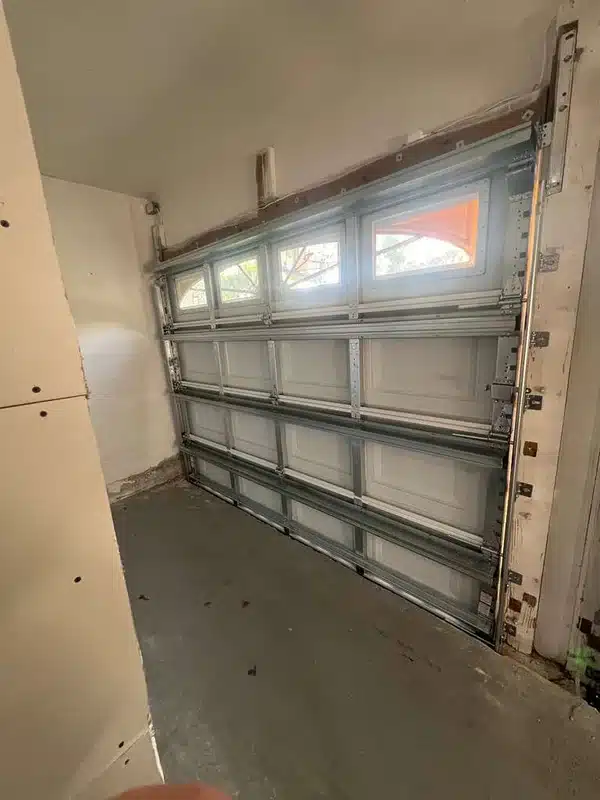
Local expertise plays a critical role in identifying and resolving remote control issues efficiently. While universal troubleshooting guides can help, garage door systems vary widely by region due to climate effects, electrical standards, and even building codes. A local technician understands the specific conditions that affect your garage door’s performance and lifespan. For example, in coastal or high-humidity areas, corrosion within the battery contacts occurs faster, requiring more frequent cleaning or replacement. In regions with dramatic temperature swings, low-voltage fluctuations or expansion in door components may interrupt the signal path. Relying on local expertise ensures not only functional accuracy but also safety and compliance. Experienced garage professionals in your area know the power setups used by local builders, the frequency bands less prone to neighborhood interference, and the best replacement parts stocked by nearby suppliers. This reduces downtime and prevents mismatched components that could void warranties. A precise diagnostic process remains key:
- Inspect the remote batteries with a voltmeter – weakened cells are common failure points.
- Confirm the LED activity and clean contacts to restore conductivity.
- Check that the opener receives consistent power from its circuit.
- Reprogram the remote based on the manufacturer’s manual.
- Realign photo-eye sensors to maintain smooth operation.

Avoiding errors that lead to more damage
Local homeowners gain significant advantages from professional remote and opener service performed by experienced technicians who understand community-specific conditions. Local experts can identify issues faster because they encounter the same regional climate effects, electrical variances, and hardware models that dominate nearby neighborhoods. By choosing a nearby service provider, you avoid extended wait times and scheduling delays, ensuring that small malfunctions are corrected before they grow into costly repairs. In most cases, a technician can arrive the same day, assess signal interference from local power lines, and recalibrate your remote system using the correct gauge wiring and UL 325 compliant procedures. This proactive attention helps maintain consistent performance and prolongs the lifespan of your garage door system. Another advantage of local service is transparency in pricing and support. Because travel distances are shorter, homeowners save on service call fees and receive more flexible appointment times. Local providers maintain direct relationships with reliable suppliers, which shortens parts delivery and minimizes project downtime. Homeowners also benefit from trustworthy advice about garage safety, security upgrades, and mechanical maintenance. If your opener starts showing delayed response or inconsistent operation, consider scheduling a quick inspection to ensure all components function properly. For related maintenance insights, review our detailed guide on garage door spring replacement and discover how regular local servicing can enhance long-term reliability and comfort.
Schedule a Professional Diagnostic Today
If your garage door remote stops responding or only works occasionally, do not wait until it fails completely. Door X Garage Door Repair specializes in fast, accurate diagnostics that pinpoint the exact source of the issue. Our certified technicians test every element – batteries, transmitter boards, receiver modules, and opener systems – using advanced tools and proven safety procedures. We eliminate guesswork, fix only what is needed, and restore full reliability to your garage door remote in less time. Enjoy smooth, consistent performance and peace of mind knowing your system is operating at its best. Call Door X Garage Door Repair now to schedule an immediate evaluation and experience professional service that puts your safety and convenience first.

FAQs
Why is my garage door remote not working even after changing the batteries?
If your garage door remote still does not respond after replacing the batteries, there may be a deeper problem related to signal interference, antenna alignment, or lost programming between the remote and the opener. Common sources of interference include fluorescent lighting, Wi-Fi routers, and other wireless devices that operate within a similar frequency range, typically around 315 to 390 MHz. Begin troubleshooting by resetting the opener. Locate the ‘learn’ button, hold it until the indicator light flashes, and then re-pair the remote to restore communication. Next, inspect the opener’s antenna wire to ensure it hangs straight downward, remains fully intact, and is not bent or frayed. If the LED indicator on your remote fails to illuminate after new batteries are installed, gently clean the internal contact terminals using a cotton swab dipped in isopropyl alcohol to remove corrosion or dirt. If reprogramming does not solve the issue, the problem may lie within the opener’s logic board, which controls signal recognition. A defective logic board can prevent all remotes from functioning properly and often requires testing or replacement by a qualified garage door technician. Seeking professional help ensures an accurate diagnosis and helps prevent unnecessary damage to the opener system.
Can a power outage cause my garage door remote to stop working?
Yes. A sudden power outage or voltage surge can sometimes reset the internal memory of a garage door opener, removing all paired remote controls and keypad connections. This usually happens when the circuit board experiences a sudden interruption or voltage spike that clears saved settings. In certain models, backup batteries that maintain power to the memory can drain completely during long outages, which prevents the receiver from recognizing previously paired signals. After power is restored, verify that the wall outlet is delivering consistent current by plugging in another device to confirm functionality. If the opener has lost its programming, follow the instructions in the product manual or check the label on the unit for proper re-pairing steps. To avoid recurrence, use a surge protector rated for garage equipment and install a dedicated GFCI outlet to safeguard against damage. Periodically test the electrical connection to ensure voltage stability, consistent performance, and long-term reliability of your garage door opener.
How much does it cost to fix a non-working garage door remote?
Garage door remote repair and replacement costs can vary considerably depending on the specific issue and the type of equipment involved. For straightforward cases, such as reprogramming the remote or replacing a weak or damaged battery, service fees typically start in the $40 – $80 range. More complex situations, such as replacing a lost remote, installing a new control unit, or re-coding a security chip, may fall between $150 – $180. When the opener receiver or circuit board fails, the cost can increase further, often reaching $150 – $450 based on the model and brand. Additional factors like labor time, site accessibility, materials required, and the complexity of troubleshooting will also influence the final price. These figures serve as general estimates only. A professional on-site diagnosis provides the most accurate and reliable cost assessment for your particular situation.
Should I try to fix my garage door remote myself or call a professional?
Basic troubleshooting – such as verifying that the garage door remote has fresh batteries, inspecting the wall switch for loose connections, or clearing dust and debris from safety sensors – is generally safe for homeowners who take basic precautions. These tasks can often restore operation when the issue is minor. However, when the problem involves deeper diagnostics such as testing circuit boards, checking wiring continuity, or performing logic control resets, it is best to seek professional assistance. An experienced garage door technician has the specialized tools and knowledge to identify faults accurately, replace damaged components, and ensure the system meets all manufacturer and safety specifications. Performing complex electrical work without the proper training can cause short circuits, erase stored settings, or even disable critical safety mechanisms. If your remote remains unresponsive after basic maintenance, schedule a thorough inspection to confirm that both mechanical and electronic functions are operating safely, efficiently, and in full compliance with UL 325 performance standards.
What are warning signs that my garage door remote is failing?
Common warning signs that your garage door remote is starting to fail can appear gradually, making them easy to overlook until the device completely stops working. You might notice a reduced signal range that forces you to walk closer to the door before it responds. The LED indicator light may also dim or flicker when you press a button, suggesting a weak battery or deteriorating internal components. Another common issue is a delayed or inconsistent response – often linked to aging transmitter circuits or interference from nearby electronics. In some cases, you may need to press the remote button multiple times before the door starts moving, which points to communication problems between the remote and receiver. Regular inspection by a qualified garage door technician ensures that the remote frequency, receiver alignment, and antenna wiring remain properly calibrated for dependable operation.
What are the most common problems that cause a garage door remote to stop working?
Common causes of remote control malfunction often involve power or signal issues that develop over time. Dead or corroded batteries can reduce voltage output, causing weak or inconsistent transmissions between the remote and opener system. Radio frequency interference from nearby devices such as wireless routers, smart lighting, or security cameras can also disrupt signal reception. Damaged or misaligned antennas reduce the effective communication range, while lost signal synchronization after a power surge may cause the remote to stop responding entirely. Moisture inside the garage, thick metal doors, or LED lighting interference can further degrade performance. Regular inspection helps identify corroded terminals or worn buttons before they fail completely. Cleaning the remote contacts, replacing aging batteries, and reprogramming the unit occasionally will increase system reliability. Annual professional inspections ensure firmware compatibility and maintain consistent performance.
What should I look for when hiring a professional to fix my garage door remote?
Always select a qualified, licensed, and insured technician who strictly follows recognized safety standards such as DASMA and UL 325. These guidelines exist to reduce hazards and ensure consistent performance for every garage door system. A professional service provider should perform detailed diagnostics instead of relying on quick resets or guesswork. Look for technicians who use advanced diagnostic tools such as oscilloscopes, signal analyzers, or manufacturer-specific testers to verify transmitter output, receiver integrity, and control board communication. Ask whether their repair methods comply with your opener manufacturer’s warranty terms, since unapproved adjustments could void coverage. True professionals record their test data, explain the problem clearly, and confirm that your remote operation and safety sensors function correctly before leaving. Be cautious of anyone proposing to bypass sensors, disable auto-reverse features, or substitute parts without approved connectors, as these shortcuts risk safety and insurance compliance.
When should I treat a non-working garage door remote as an urgent issue?
If your only access to the garage is through the automatic door and your remote suddenly stops working, it is important to address the problem quickly – particularly if pressing the wall button produces no response either. This type of failure often points to a loss of power, a blown circuit, or an electronic control issue within the opener system. While it can be inconvenient, it is rarely an emergency unless someone cannot exit the garage safely. Start by checking the simplest possibilities, such as replacing the remote batteries, confirming that the wall switch and safety sensors are connected, and verifying that the outlet supplying the opener still has power. If these efforts do not solve the issue, arrange a professional diagnostic visit to identify electrical faults or internal opener damage. Timely service helps prevent costlier repairs later.